Trust Wallet Explained: Understanding Decentralized Wallet Technology
Comprehensive Guide to Trust Wallet's Decentralized Features
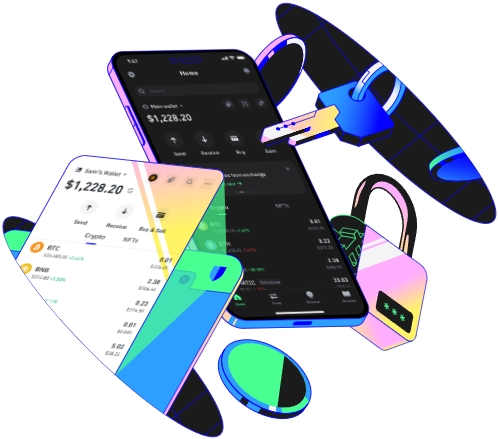
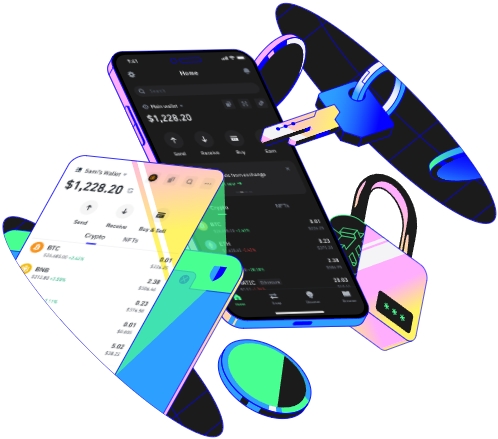
Trust Wallet is a well - known decentralized wallet that has revolutionized the way users interact with cryptocurrencies. Unlike traditional wallets, decentralized wallets like Trust Wallet give users full control over their digital assets. This means that users hold the private keys to their wallets, which are essential for accessing and managing their cryptocurrencies. With Trust Wallet, you are not relying on a third - party institution to safeguard your funds. Instead, you are the sole custodian of your digital wealth. This provides a high level of security and privacy, as there is no central authority that can freeze or seize your assets without your permission.
One of the key features of Trust Wallet is its support for a wide range of cryptocurrencies. It can store and manage popular coins such as Bitcoin, Ethereum, and Litecoin, as well as numerous ERC - 20 tokens. This makes it a versatile tool for cryptocurrency enthusiasts who hold different types of digital assets. The wallet also has a built - in exchange feature, allowing users to swap one cryptocurrency for another directly within the wallet. This eliminates the need to use external exchanges, which can sometimes be complex and time - consuming. Moreover, the exchange feature in Trust Wallet often offers competitive rates, enabling users to get the most value out of their trades.
Trust Wallet is designed with user - friendliness in mind. Its interface is intuitive and easy to navigate, even for those who are new to the world of cryptocurrencies. You can easily send and receive funds, view your transaction history, and manage your portfolio. The wallet also provides real - time price updates, so you can keep track of the market value of your assets. Additionally, Trust Wallet offers a mobile app for both iOS and Android devices, allowing you to access your wallet on the go. This mobility is crucial in the fast - paced world of cryptocurrencies, where prices can change rapidly.
Another important aspect of Trust Wallet is its security measures. In addition to the private key control, the wallet uses advanced encryption techniques to protect your data. It also has a backup and recovery system in place. You can create a recovery phrase, which is a set of words that can be used to restore your wallet in case you lose access to your device. This ensures that your funds are always safe and recoverable. Furthermore, Trust Wallet has a strict security protocol to prevent unauthorized access and protect against potential threats such as phishing attacks.
Trust Wallet also integrates with decentralized applications (dApps). This allows users to interact with various blockchain - based services directly from their wallets. For example, you can participate in decentralized finance (DeFi) protocols like lending, borrowing, and yield farming using Trust Wallet. By integrating with dApps, Trust Wallet expands the functionality of the wallet and provides users with more opportunities to engage with the blockchain ecosystem. This seamless integration makes it easier for users to explore different aspects of the cryptocurrency world and take advantage of the innovative services offered by the blockchain community.
When it comes to using Trust Wallet, it's important to follow best practices. Always keep your private keys and recovery phrase safe and secure. Do not share them with anyone. Be cautious when interacting with dApps and make sure to verify the authenticity of any service you use. Also, regularly update your wallet app to ensure that you have the latest security features. By following these guidelines, you can make the most of Trust Wallet while keeping your digital assets safe.