How to Reduce Trust Wallet Gas Fees: Tips for Cheaper Transactions
Smart Tips for Reducing Transaction Expenses
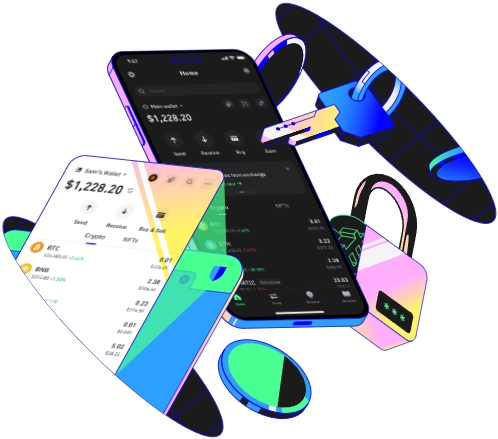
Trust Wallet is a popular cryptocurrency wallet that allows users to manage various digital assets. However, gas fees can sometimes eat into your profits and make transactions less cost - effective. Here are some useful tips to reduce Trust Wallet gas fees.
Choose the Right Time to Transact
The gas fees in the blockchain network are highly volatile and depend on network congestion. During peak hours, when many users are making transactions, the gas fees tend to be higher. For example, on the Ethereum network, weekdays during business hours usually experience more traffic. If you can, try to make your transactions during off - peak times. You can use blockchain analytics tools to monitor network activity. For instance, platforms like Etherscan provide real - time data on gas prices. By checking these tools, you can identify periods when the gas fees are relatively low and schedule your transactions accordingly.
Another way is to set up price alerts. Some wallet applications and analytics platforms allow you to set alerts for specific gas price levels. Once the gas price drops to your desired level, you will receive a notification, enabling you to initiate your transaction at a lower cost.
Opt for Layer 2 Solutions
Layer 2 solutions are built on top of the main blockchain to increase its scalability and reduce transaction costs. For Trust Wallet users, using Layer 2 protocols can significantly lower gas fees. For example, Polygon is a well - known Layer 2 scaling solution for the Ethereum network. It offers faster and cheaper transactions compared to the main Ethereum chain. To use Polygon with Trust Wallet, you first need to add the Polygon network to your wallet. Then, you can transfer your assets from the Ethereum mainnet to the Polygon network. Once on the Polygon network, any transactions you make will incur much lower gas fees.
Adjust Gas Settings Manually
Trust Wallet allows users to adjust gas settings manually. By default, the wallet may suggest a certain gas price and limit, but these may not always be the most cost - effective options. You can lower the gas price to reduce the cost of your transaction. However, be cautious when doing this. If you set the gas price too low, your transaction may get stuck in the mempool and take a long time to be confirmed, or it may not be confirmed at all. You can refer to the current average gas price on the blockchain network and set a price slightly below it. For example, if the average gas price is 50 Gwei, you can try setting it to 40 Gwei and see if your transaction gets confirmed in a reasonable time.
Consolidate Transactions
Making multiple small transactions can be more expensive in terms of gas fees compared to making one large transaction. For example, if you want to send small amounts of cryptocurrency to different addresses, it is better to consolidate these amounts into one transaction. This way, you only pay the gas fee once instead of multiple times. This strategy can save you a significant amount of money, especially when dealing with high - fee blockchains like Ethereum.
By following these tips, you can effectively reduce the gas fees in Trust Wallet and make your cryptocurrency transactions more cost - efficient.
TAG: