Trust Wallet Cross-Chain Transfer Fees: Cost of Moving Between Blockchains
Understanding Fees for Moving Assets Across Blockchains
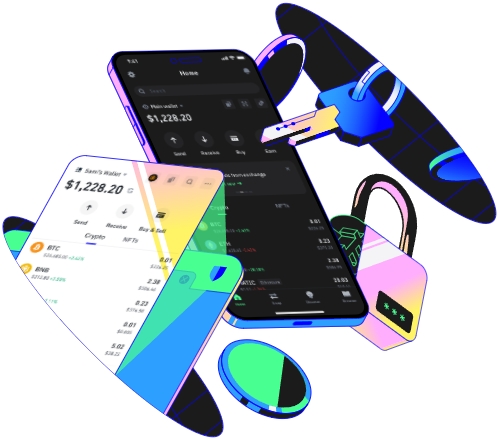
Trust Wallet is a well - known and widely used cryptocurrency wallet that offers cross - chain transfer capabilities. This feature allows users to move their digital assets between different blockchains, which is crucial in the complex and diverse world of cryptocurrencies.
Cross - chain transfers on Trust Wallet are not without cost. The fees associated with these transfers are a significant consideration for users. These fees can vary depending on several factors, including the blockchains involved, the type of asset being transferred, and the current network congestion.
Factors Influencing Cross - Chain Transfer Fees
The first factor is the nature of the blockchains themselves. Each blockchain has its own consensus mechanism, transaction processing speed, and fee structure. For example, Ethereum is known for its relatively high gas fees, especially during times of high network activity. If a user wants to transfer an asset from Ethereum to a different blockchain, such as Binance Smart Chain, the transfer fee will be affected by Ethereum's high - cost environment. In contrast, some newer blockchains with more efficient consensus mechanisms may have lower transfer fees.
The type of asset also plays a role. Stablecoins, for instance, might have different transfer fees compared to non - fungible tokens (NFTs). Stablecoins are designed to maintain a stable value and are often used for more straightforward transactions. NFTs, on the other hand, are unique digital assets, and their transfer may involve more complex smart contract interactions, which can lead to higher fees.
Network congestion is another critical factor. When a blockchain network is congested, there are more transactions waiting to be processed. Miners or validators prioritize transactions with higher fees. So, during peak usage times, users may need to pay more to ensure their cross - chain transfers are processed in a timely manner.
Let's take a real - world example. Suppose a user holds some ERC - 20 tokens on the Ethereum blockchain and wants to transfer them to the Solana blockchain using Trust Wallet. If the Ethereum network is congested, the user may have to pay a substantial fee to get the transfer initiated. Additionally, Solana may also charge a fee for receiving and integrating the transferred assets into its ecosystem.
To manage these fees, users can keep an eye on network conditions. There are various tools and platforms that provide real - time information about blockchain network congestion and fee estimates. By choosing the right time to make a cross - chain transfer, users can potentially save on fees. Some wallets also offer features that allow users to set their own fee levels, giving them more control over the cost of the transfer.
It's important for users of Trust Wallet to understand these cross - chain transfer fees. By being aware of the factors that influence the fees and using available tools to monitor and manage them, users can make more informed decisions when moving their digital assets between different blockchains.
TAG: