Trust Wallet vs Phantom: Solana Ecosystem Wallet Comparison
Analyzing Key Features of Leading Solana Wallets
In the dynamic world of cryptocurrency, wallets play a crucial role in managing digital assets. When it comes to the Solana ecosystem, two prominent wallets stand out: Trust Wallet and Phantom. Let's delve into a detailed comparison of these two wallets.
User Interface and Experience
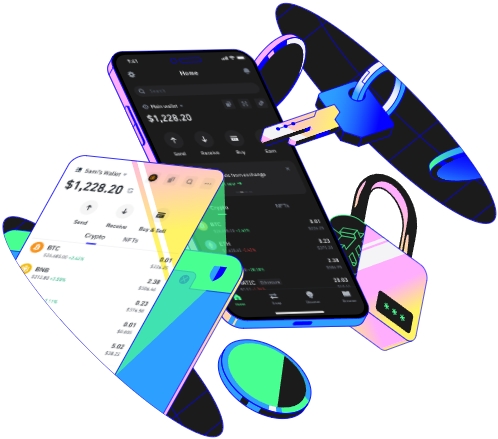
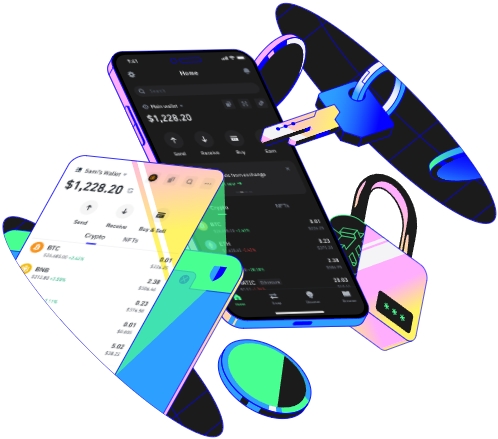
Trust Wallet is well - known for its intuitive and user - friendly interface. It offers a seamless experience for both novice and experienced users. For example, when a new user downloads Trust Wallet and wants to connect to the Solana network, the process is straightforward. The wallet guides the user through each step, from creating a wallet to adding Solana tokens. It has a clean layout, with clear sections for wallet balance, transaction history, and token management.
On the other hand, Phantom is designed specifically for the Solana ecosystem. Its interface is highly optimized for Solana - based applications. For instance, when using a decentralized application (dApp) on the Solana network, Phantom provides a smooth and integrated experience. The wallet's design is centered around the unique features of Solana, such as fast transaction speeds and low fees. However, for users new to the Solana ecosystem, the interface might seem a bit overwhelming at first.
Security is a top priority in the cryptocurrency space. Trust Wallet uses industry - standard security measures, including multi - signature support and encryption. It also allows users to store their private keys offline, providing an extra layer of protection. For example, users can create a cold wallet using Trust Wallet, which is not connected to the internet, safeguarding their assets from potential online threats.
Phantom also takes security seriously. It uses a secure key management system and has built - in protection against phishing attacks. When a user interacts with a dApp, Phantom verifies the authenticity of the application to prevent unauthorized access to the wallet. Additionally, Phantom has a reputation for being highly secure within the Solana community, which gives users confidence in using the wallet.
Trust Wallet supports a wide range of cryptocurrencies, not just those on the Solana network. This makes it a versatile option for users who hold multiple digital assets. For example, a user can have Bitcoin, Ethereum, and Solana tokens all in one wallet. It also has a built - in exchange feature, allowing users to swap tokens easily.
Phantom, as a Solana - native wallet, focuses primarily on Solana - based tokens. It has excellent integration with Solana dApps, which means users can access a wide range of decentralized services directly from the wallet. For example, users can participate in Solana - based NFT marketplaces, lending platforms, and decentralized exchanges with ease.
Transaction fees are an important consideration for cryptocurrency users. Trust Wallet's fees vary depending on the network and the type of transaction. In the Solana network, it generally offers competitive fees due to Solana's low - cost nature. However, when dealing with other networks, the fees might be higher.
Phantom, being optimized for Solana, benefits from Solana's extremely low transaction fees. This makes it an attractive option for users who frequently make transactions on the Solana network. For example, a user can transfer Solana tokens or interact with dApps at a fraction of the cost compared to other blockchain networks.
In conclusion, both Trust Wallet and Phantom have their own strengths. Trust Wallet is a more versatile option for users with diverse cryptocurrency holdings, while Phantom is the go - to choice for those deeply involved in the Solana ecosystem. The choice between the two depends on individual needs and preferences.
TAG: