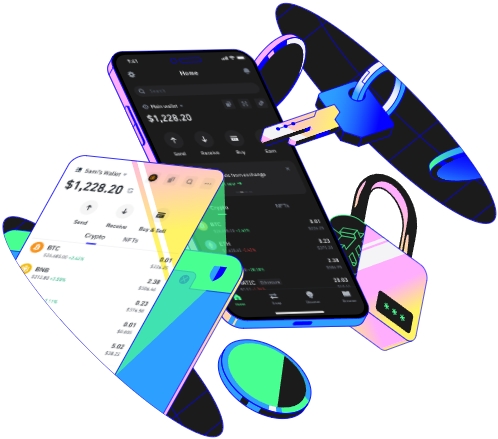
Trust Wallet vs Crypto.com DeFi Wallet: Exchange vs Independent Wallet
Comparing Features and Use - cases of Two Popular Wallets
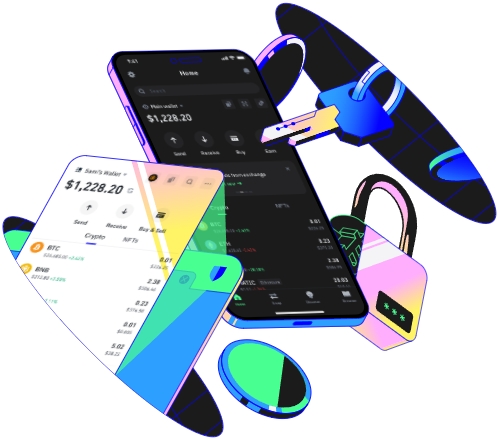
In the dynamic world of cryptocurrency, choosing the right wallet is crucial. Two well - known options are Trust Wallet and Crypto.com DeFi Wallet. Each has its own characteristics, and understanding the difference between an exchange - affiliated wallet and an independent one is key to making an informed decision.
Trust Wallet: The Independent Contender
Trust Wallet is an independent wallet that offers users a high level of control and privacy. It is a non - custodial wallet, which means users have sole ownership of their private keys. This gives them full control over their digital assets, reducing the risk associated with third - party custody.
One of the significant advantages of Trust Wallet is its wide range of supported blockchains. For example, it supports Ethereum, Binance Smart Chain, and many others. This allows users to store a diverse portfolio of tokens. A user interested in decentralized finance (DeFi) projects can easily access various DeFi protocols directly from the wallet. They can participate in yield farming, liquidity provision, and other DeFi activities without relying on a centralized exchange.
Trust Wallet also has a user - friendly interface. It is easy for both beginners and experienced cryptocurrency users to navigate. The wallet integrates with popular decentralized applications (dApps), providing a seamless experience for interacting with the DeFi ecosystem. For instance, a novice user can quickly start using Uniswap, a well - known decentralized exchange, through the Trust Wallet interface.
However, Trust Wallet lacks some of the features that an exchange - affiliated wallet might offer. For example, it does not have built - in fiat - on - ramp options in all regions. This can make it difficult for users to convert traditional currency into cryptocurrency directly within the wallet.
Crypto.com DeFi Wallet, on the other hand, is associated with the Crypto.com exchange. It combines the benefits of a wallet with the features of an exchange. One of its main advantages is the easy access to the Crypto.com exchange platform. Users can trade a large number of cryptocurrencies directly from the wallet, taking advantage of the exchange's liquidity and trading pairs.
The wallet also offers a fiat - on - ramp option in many regions. This means users can easily buy cryptocurrencies using their credit cards or bank transfers. For example, a user in the United States can quickly purchase Bitcoin or Ethereum using their bank account through the Crypto.com DeFi Wallet.
Another feature is the rewards program. Crypto.com offers various incentives to its users, such as cashback on purchases made with its Crypto.com Visa card, which is integrated with the wallet. This can be attractive to users who want to earn additional rewards while using their cryptocurrency.
But being an exchange - affiliated wallet, it also has some drawbacks. There are concerns about centralization. Since it is linked to an exchange, users may be subject to more regulatory scrutiny and potential security risks associated with centralized platforms. Additionally, some users may prefer the full - control nature of an independent wallet like Trust Wallet.
In conclusion, the choice between Trust Wallet and Crypto.com DeFi Wallet depends on individual needs. If you value independence, privacy, and a wide range of blockchain support, Trust Wallet may be the better option. However, if you want easy access to an exchange, fiat - on - ramp options, and rewards programs, Crypto.com DeFi Wallet could be more suitable.
TAG: