Trust Wallet vs Exodus: Feature Comparison for Multi-Asset Storage
Comparing Key Features of Two Popular Wallets
When it comes to multi - asset storage in the cryptocurrency world, Trust Wallet and Exodus are two prominent names. Both offer a range of features to store, manage, and trade various digital assets. Let's take a detailed look at how they stack up against each other.
User Interface and Experience
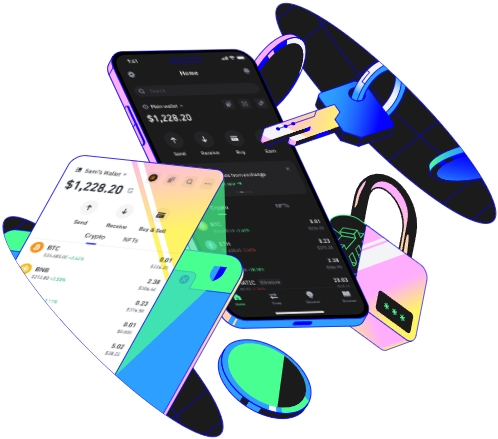
Trust Wallet has a clean and intuitive interface. It is designed to be user - friendly, especially for beginners. The wallet's layout is straightforward, with easy - to - find options for sending, receiving, and viewing assets. For example, when you open the app, the main screen shows your asset balances clearly, and the process of sending cryptocurrency is as simple as entering the recipient's address and the amount. This simplicity makes it a great choice for those new to the crypto space.
Exodus, on the other hand, has a more visually appealing and feature - rich interface. It offers a dashboard that provides detailed information about your assets, including price charts and market trends. The wallet also has a built - in exchange feature that is easily accessible from the main screen. However, this complexity might be overwhelming for some novice users. For instance, the multiple options and detailed data on the dashboard could be confusing for someone who is just starting to use a cryptocurrency wallet.
Asset Support
Trust Wallet supports a wide variety of cryptocurrencies and tokens. It is well - known for its compatibility with Ethereum - based tokens, as well as other major cryptocurrencies like Bitcoin, Litecoin, and Ripple. This extensive support makes it a versatile option for storing different types of digital assets. For example, if you are involved in an Ethereum - based project and also hold some Bitcoin, Trust Wallet can handle both.
Exodus also offers support for a large number of assets. It includes many popular cryptocurrencies, along with some less - common ones. One of the unique features of Exodus is its ability to support atomic swaps, which allow users to exchange one cryptocurrency for another directly within the wallet without the need for an external exchange. This is a significant advantage for users who want to trade different assets quickly and securely.
Security Features
Trust Wallet uses a secure key management system. It stores your private keys on your device, giving you full control over your funds. The wallet also has a built - in browser that allows you to interact with decentralized applications (dApps) securely. For example, when using a dApp, Trust Wallet ensures that your private information is protected.
Exodus takes security seriously as well. It offers features like backup and restore options, as well as encryption of your wallet data. The wallet also has a security center where users can manage their security settings. However, some users might be concerned about the fact that Exodus stores some data on its servers, although the company claims to use strict security measures to protect this information.
Customer Support
Trust Wallet provides support through its official website and community channels. Users can find answers to common questions in the FAQ section, and they can also reach out to the community for help. However, the direct support might not be as immediate as some users would like.
Exodus offers a more comprehensive customer support system. It has a dedicated support team that can be reached via email and live chat. This means that users can get quick assistance if they encounter any issues with their wallet.
In conclusion, both Trust Wallet and Exodus have their own strengths and weaknesses. The choice between the two depends on your individual needs, whether you prioritize simplicity, asset variety, security, or customer support.TAG: