Trust Wallet vs TokenPocket: Asian Market Wallet Feature Showdown
Comparing Key Features in the Asian Market
In the dynamic landscape of the Asian cryptocurrency market, Trust Wallet and TokenPocket stand out as two prominent wallet options. Each comes with its own set of features, and understanding their differences can help users make an informed choice.
User Interface and Ease of Use
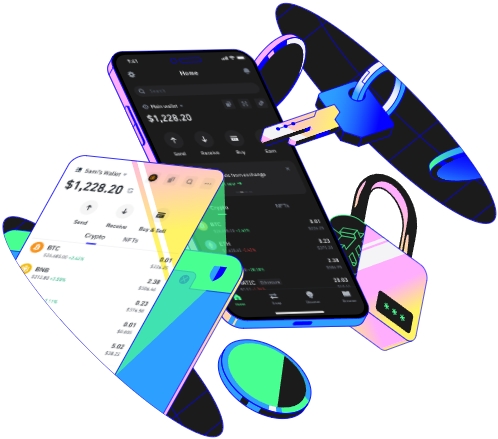
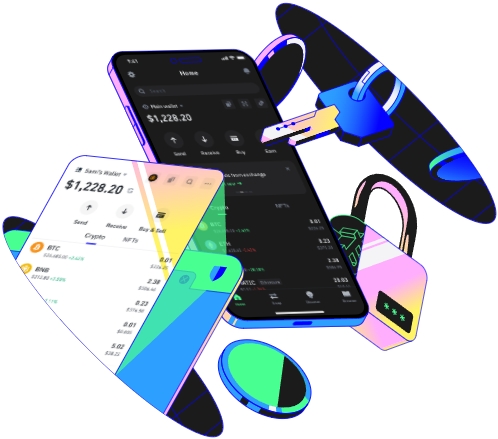
Trust Wallet offers a clean and intuitive user interface. It is well - designed for both novice and experienced users. For example, when a new user in South Korea downloads Trust Wallet, they can easily navigate through the wallet to set up their account, add tokens, and start making transactions. The simple layout makes it straightforward to view balances and transaction histories.
On the other hand, TokenPocket also has a user - friendly interface but with a more feature - rich design. It provides a wide range of options on the main screen, which might be a bit overwhelming for beginners. However, for advanced users in Japan who are familiar with various DeFi protocols and want quick access to different functions, TokenPocket's interface allows them to manage multiple wallets and interact with various decentralized applications (dApps) efficiently.
Security is a top concern in the cryptocurrency world. Trust Wallet is known for its high - level security features. It uses secure key storage and encryption techniques to protect users' private keys. For instance, in Singapore, where regulatory requirements for digital asset security are strict, Trust Wallet's security measures give users peace of mind. It also offers a backup and recovery option through a mnemonic phrase, which is a standard and reliable way to safeguard funds.
TokenPocket also takes security seriously. It has implemented multi - signature authentication and cold storage options. In Malaysia, where there have been cases of cryptocurrency scams, TokenPocket's security features help users protect their assets. The wallet also conducts regular security audits to ensure the integrity of its platform.
When it comes to supported tokens and blockchains, Trust Wallet has a wide range. It supports major cryptocurrencies like Bitcoin, Ethereum, and Binance Coin, as well as a large number of ERC - 20 and BEP - 20 tokens. This makes it a popular choice in Thailand, where many users are interested in a diverse portfolio of digital assets.
TokenPocket, however, has an even more extensive list of supported blockchains. It can support not only mainstream blockchains but also some emerging ones. In Vietnam, where the blockchain ecosystem is rapidly evolving, TokenPocket's ability to support a wide variety of blockchains allows users to explore new projects and tokens.
Both Trust Wallet and TokenPocket have integrated DeFi features. Trust Wallet enables users to easily access decentralized exchanges (DEXs) and lending platforms. For example, in Indonesia, users can use Trust Wallet to swap tokens on PancakeSwap directly from the wallet. TokenPocket, in addition to similar DeFi access, also offers more advanced DeFi analytics tools. In the Philippines, users can use these tools to analyze the performance of different DeFi projects and make more informed investment decisions.
In conclusion, both Trust Wallet and TokenPocket have their own strengths. Trust Wallet is great for those seeking simplicity, high - level security, and access to major tokens. TokenPocket, on the other hand, is more suitable for advanced users who want a wide range of blockchain support and advanced DeFi features. The choice between the two depends on the specific needs and preferences of users in the Asian market.
TAG: