How to Choose Cheapest Network on Trust Wallet: Multi-Network Cost Guide
Navigate Multi - Network Costs with Ease
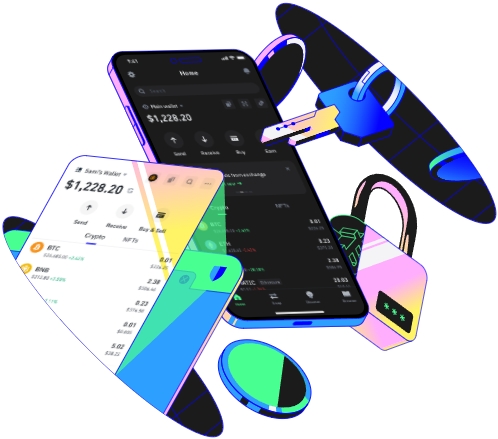
Trust Wallet, a well - known cryptocurrency wallet, supports multiple networks. When you're dealing with digital assets on it, choosing the cheapest network can save you a significant amount of money. Here's a comprehensive guide on how to make that choice.
First and foremost, understand the concept of network fees. Network fees are the costs associated with processing transactions on a blockchain network. Different networks have different fee structures, which are influenced by factors like network congestion, the complexity of the transaction, and the overall design of the blockchain. For example, Ethereum is often known for having relatively high fees, especially during periods of high trading volume. This is because its popularity leads to a large number of transactions competing for limited space in each block.
Comparing Network Fees
One of the most straightforward ways to choose the cheapest network is to compare the fees across different networks. Trust Wallet provides information about the available networks and their corresponding fees when you initiate a transaction. You can also use external websites and tools that specialize in tracking cryptocurrency network fees. For instance, websites like GasNow can give you real - time data on Ethereum network fees. By checking these resources, you can quickly see which network offers the lowest cost at a given time.
Another important aspect is to consider the type of transaction you're making. Some networks are more cost - effective for certain types of transactions. For example, if you're making a simple transfer of a stablecoin, a network like Binance Smart Chain might be a cheaper option compared to Ethereum. Binance Smart Chain has a lower fee structure and faster transaction times, making it suitable for everyday transfers. On the other hand, if you're interacting with complex decentralized applications (dApps) that are only available on Ethereum, you might have to bear the higher fees.
Timing also plays a crucial role in choosing the cheapest network. Network fees tend to fluctuate based on the time of day and market activity. For example, during off - peak hours when there is less trading activity on the blockchain, the fees are generally lower. If you can plan your transactions accordingly, you can take advantage of these low - fee periods. So, keep an eye on the market trends and plan your cryptocurrency transactions at a time when the network fees are likely to be at their lowest.
Lastly, it's essential to stay updated with the latest news and developments in the cryptocurrency space. New networks are constantly emerging, and existing ones are making improvements to their fee structures. By staying informed, you can discover new and potentially cheaper networks that might be suitable for your needs. For example, Solana has gained popularity for its low - cost and high - speed transactions, and being aware of such options can help you make more cost - effective decisions on Trust Wallet.
In conclusion, choosing the cheapest network on Trust Wallet requires a combination of understanding network fees, comparing different networks, considering the type of transaction, timing your transfers, and staying updated with the cryptocurrency market. By following these steps, you can minimize your transaction costs and make the most out of your digital asset management on Trust Wallet.
TAG: