Is Trust Wallet Legal in Turkey: CBRT Cryptocurrency Restrictions
Understanding the Legal Landscape of Trust Wallet in Turkey
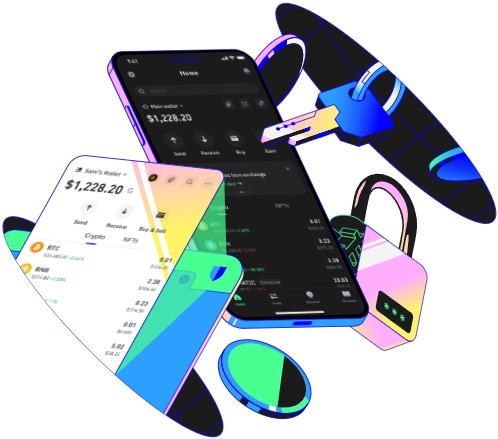
Trust Wallet is a well - known cryptocurrency wallet that offers users a secure and convenient way to store, manage, and trade various digital assets. However, in Turkey, the legal status of Trust Wallet is closely intertwined with the regulations set by the Central Bank of the Republic of Turkey (CBRT). The CBRT has been actively involved in formulating policies regarding cryptocurrency usage in the country.
CBRT's Cryptocurrency Restrictions
The CBRT has imposed several restrictions on cryptocurrency transactions in Turkey. In April 2021, the CBRT issued a circular banning the use of cryptocurrencies for payments. This was mainly due to concerns about the potential risks associated with cryptocurrency transactions, such as market volatility, money laundering, and the lack of a central regulatory authority. The circular stated that payment service providers are prohibited from using cryptocurrencies for payment systems and services.
For example, if a merchant in Turkey were to accept Bitcoin or other cryptocurrencies as payment for goods or services, they would be in violation of the CBRT's regulations. This ban has had a significant impact on the overall cryptocurrency ecosystem in the country, as it limits the practical use cases of digital assets.
Another aspect of the CBRT's restrictions is related to the security and stability of the financial system. Cryptocurrencies are known for their highly volatile nature, and the CBRT fears that large - scale cryptocurrency adoption could pose a threat to the stability of the Turkish lira and the overall financial market. As a result, the central bank has been cautious about allowing unrestricted cryptocurrency activities.
Trust Wallet, as a cryptocurrency wallet, is affected by these restrictions. While it is not explicitly illegal to own a Trust Wallet in Turkey, using it for transactions that violate the CBRT's regulations is prohibited. For instance, if a user tries to use Trust Wallet to make a payment in a cryptocurrency - based transaction, they would be breaking the law.
However, it is still legal to hold cryptocurrencies in a Trust Wallet for investment purposes. Many Turkish citizens view cryptocurrencies as an investment asset, similar to stocks or bonds. They use Trust Wallet to store and monitor the value of their digital assets, such as Ethereum or Litecoin. As long as the activities within the wallet do not involve prohibited payment - related transactions, users can legally maintain their cryptocurrency holdings in Trust Wallet.
It's important for users in Turkey to stay informed about the evolving regulatory environment. The CBRT may introduce new regulations or modify existing ones in response to changes in the global cryptocurrency market or domestic economic conditions. Therefore, anyone using Trust Wallet in Turkey should regularly check for updates on the legal status of cryptocurrency activities to ensure compliance with the law.
TAG: