Trust Wallet vs Centralized Exchange: Why Self-Custody Matters
Unveiling the Value of Keeping Your Own Keys
In the dynamic world of cryptocurrency, two prominent options stand out for users: Trust Wallet, a decentralized wallet, and centralized exchanges. Understanding the differences between them and why self - custody matters is crucial for anyone involved in the crypto space.
The Basics of Trust Wallet and Centralized Exchanges
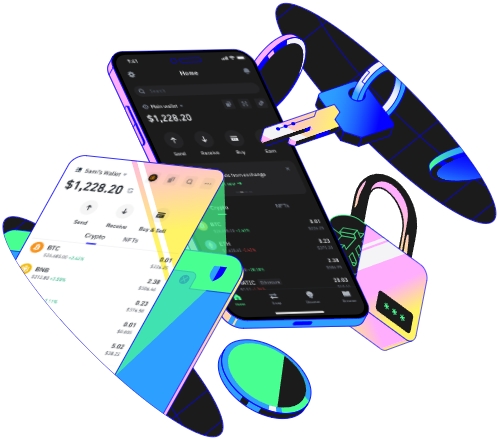
Trust Wallet is a non - custodial wallet that allows users to have full control over their private keys. This means that you are the sole owner of your digital assets. You can store various cryptocurrencies, interact with decentralized applications (dApps), and conduct transactions without relying on a third - party intermediary. For example, if you hold Bitcoin in Trust Wallet, you can transfer it directly to another wallet address at your own discretion.
On the other hand, centralized exchanges are platforms like Binance, Coinbase, etc. These exchanges act as intermediaries between buyers and sellers. When you deposit your cryptocurrencies on a centralized exchange, you essentially give up control of your private keys to the exchange. The exchange holds your assets on your behalf and facilitates trading. For instance, when you trade Ethereum for Bitcoin on a centralized exchange, the exchange manages the transfer of these assets between different accounts.
The key difference lies in the custody of assets. In a centralized exchange, the exchange has the power to freeze your account, restrict withdrawals, or even go bankrupt, which could potentially lead to the loss of your funds. In contrast, with Trust Wallet, you are in complete control of your money, and no one can access it without your permission.
Let's look at some real - world examples. In 2014, Mt. Gox, once the largest Bitcoin exchange, filed for bankruptcy after losing around 850,000 Bitcoins. Many users who had their funds stored on the exchange lost everything. This incident highlighted the risks associated with centralized exchanges. In contrast, if those users had stored their Bitcoins in a non - custodial wallet like Trust Wallet, they would have retained control over their assets and could have avoided such a catastrophic loss.
Self - custody also provides greater privacy. Centralized exchanges often require users to go through a Know Your Customer (KYC) process, which involves providing personal information such as your name, address, and identification. This information can be vulnerable to data breaches. With Trust Wallet, you can maintain a higher level of anonymity as you are not required to disclose personal information to conduct transactions.
Moreover, self - custody empowers users to participate in the true spirit of decentralization. Cryptocurrencies were originally designed to be decentralized, free from the control of central authorities. By using a non - custodial wallet like Trust Wallet, you are contributing to this vision by keeping your assets out of the hands of centralized institutions.
In conclusion, while centralized exchanges offer convenience and liquidity, the risks associated with them are significant. Trust Wallet, with its emphasis on self - custody, provides users with greater control, privacy, and security. As the cryptocurrency market continues to evolve, more and more users are recognizing the importance of taking charge of their own digital assets.
TAG: